
Marketing and sales leaders are asked to prove lead generation ROI constantly—yet most teams track vanity metrics like contacts acquired or emails sent. A proper lead generation ROI guide connects spend to qualified pipeline, measures cost per opportunity, and accounts for hidden costs that inflate true investment. This guide gives you the framework, formulas, and reporting template to calculate—and improve—lead gen ROI in 2026.
Whether you run outbound SDR teams, inbound marketing, or a hybrid model, the ROI calculation principles are the same: measure what converts, not what accumulates.
For related context, see ROI of AI lead generation, how to reduce cost per lead, and how much bad lead data costs.
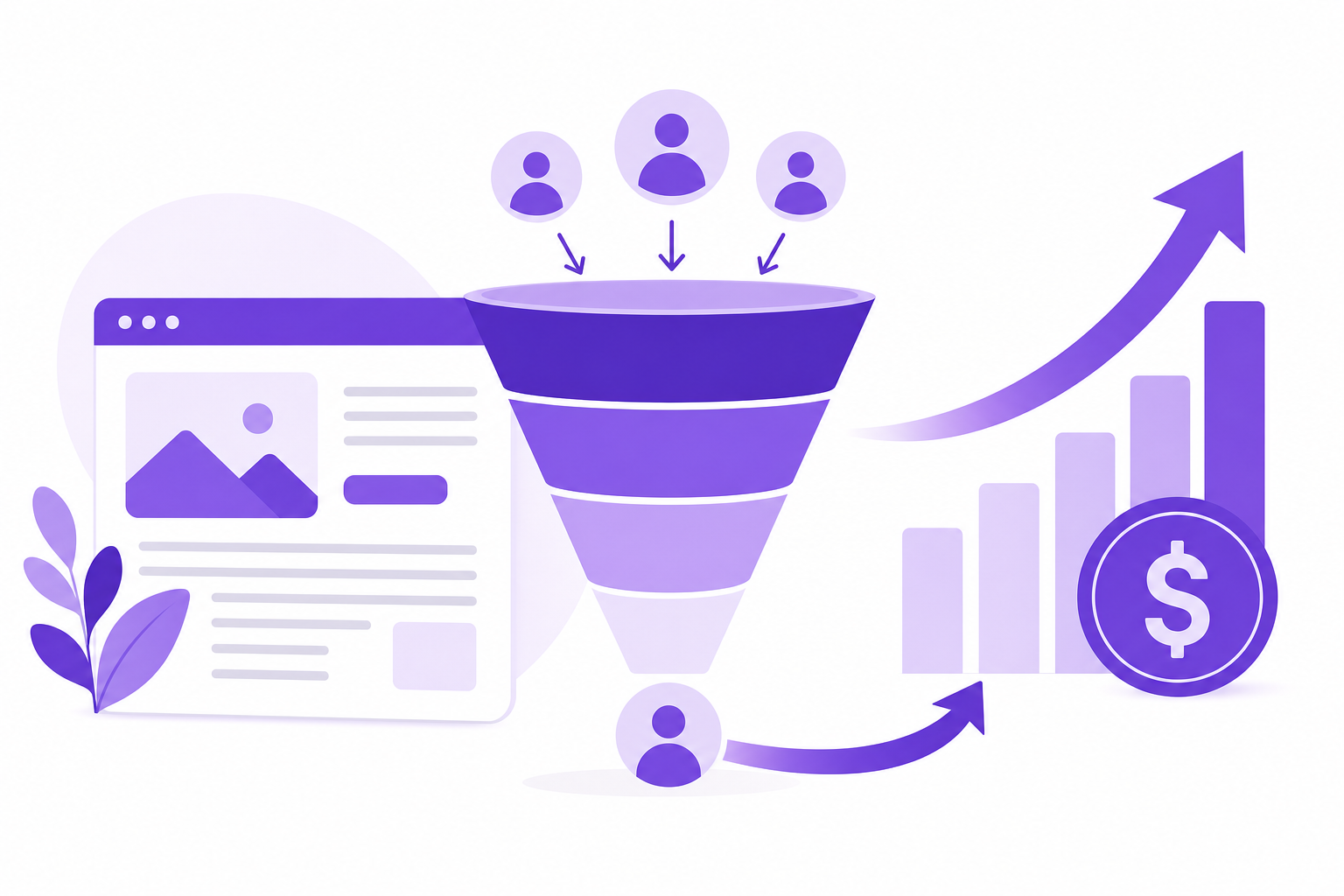
Lead Generation ROI Formula
Lead Gen ROI = (Revenue from Leads − Total Investment) ÷ Total Investment × 100
For pipeline-stage measurement (before close):
Pipeline ROI = (Pipeline Value Created − Total Investment) ÷ Total Investment × 100
What Counts as Total Investment
Direct Costs
- SDR/BDR salaries, commissions, and bonuses
- Marketing spend on lead gen campaigns
- Sales tools (databases, sequencer, AI platform, verifier)
- Agency and contractor fees
- Data purchase and enrichment credits
Hidden Costs (Often Omitted)
- AE time on unqualified meetings
- RevOps and CRM maintenance
- SDR research time (non-selling hours)
- Bad data cleanup and deliverability recovery
- Management overhead (SDR manager, sales ops)
Strategy tip: Include loaded costs, not base salary
A $60K SDR costs $85K–$95K loaded (benefits, tools, management, overhead). ROI calculations using base salary underestimate investment by 40–55%.
Key ROI Metrics to Track
| Metric | Formula | Healthy Benchmark |
|---|---|---|
| Cost per lead (CPL) | Total spend ÷ Total leads | $15–$50 (varies by industry) |
| Cost per qualified lead | Total spend ÷ ICP-fit leads | $30–$80 |
| Cost per opportunity | Total spend ÷ Opportunities created | $200–$600 |
| Cost per meeting | Total spend ÷ Meetings booked | $150–$400 |
| Lead-to-opportunity rate | Opportunities ÷ Total leads | 5–15% |
| Pipeline ROI | Pipeline created ÷ Investment | 5–15× |
| Payback period | Investment ÷ Monthly pipeline value | 1–3 months |
ROI by Channel: What to Expect
- Outbound SDR (manual): 2–4× pipeline ROI, high labor cost
- Outbound SDR (AI-assisted): 5–12× pipeline ROI, lower cost per opportunity
- Inbound content/SEO: 8–20× ROI long-term, slow ramp
- Paid ads (LinkedIn, Google): 3–8× ROI, variable by targeting
- Referrals/partnerships: 10–25× ROI, limited scale
How to Improve Lead Generation ROI
- Tighten ICP targeting — fewer leads, higher conversion (see why ICP matters)
- Automate research — reduce cost per qualified lead by 50%+
- Tier-score leads — concentrate spend on Tier A prospects
- Enforce qualification gates — no CRM entry without minimum score
- Cut bad data costs — verify before outreach
- Measure by channel — double down on highest-ROI sources
- Consolidate tools — reduce overlapping subscriptions
Monthly ROI Reporting Template
Report these numbers to leadership monthly:
- Total lead gen investment (loaded)
- Leads acquired by source
- ICP-fit leads by source
- Meetings booked by source
- Opportunities created by source
- Pipeline value by source
- Cost per opportunity by source
- ROI by source (pipeline value ÷ investment)
Frequently Asked Questions
What is a good ROI for B2B lead generation?
Healthy B2B lead generation delivers 5–15× pipeline ROI and 3–8× revenue ROI. Outbound programs below 3× pipeline ROI need targeting or process fixes. AI-assisted outbound typically achieves 8–15×.
How do I calculate lead generation ROI?
Sum all direct and hidden costs (loaded labor, tools, marketing, ops). Divide pipeline or revenue generated by total investment. Track cost per opportunity as the primary efficiency metric.
Should I measure ROI on leads or opportunities?
Opportunities. Leads are an activity metric. Opportunities connect investment to revenue. Cost per opportunity is the metric that matters for budget decisions.
How long until lead generation ROI is positive?
Outbound SDR programs typically show positive pipeline ROI within 30–60 days. Full revenue ROI depends on sales cycle length—typically 3–9 months for B2B.
Does AI improve lead generation ROI?
Yes. AI reduces cost per qualified lead by 50–70% and increases ICP-fit rate by 3–4×. Teams using AI-assisted workflows report 2–3× higher lead gen ROI vs. manual-only programs.
Final Thoughts
Lead generation ROI is not mysterious—it is math that most teams avoid because the honest numbers include hidden costs. Start measuring cost per opportunity by source, include loaded labor, and optimize for qualified pipeline. The ROI will follow.
How Adsaga.ai Improves Lead Generation ROI
Adsaga.ai lowers cost per qualified lead by replacing manual research with ICP-scored workflows:
- Configure ICP at
/workflow/config/create - Run workflows at
/workflow/workflows - Export Tier A/B leads with scores and reasons
- Re-run for continuous pipeline at declining marginal cost