
Reps walk into discovery calls unprepared—skimming LinkedIn in the parking lot, guessing at pain points, asking generic questions. AI sales research before meetings delivers a meeting brief: company context, stakeholder map, ICP fit analysis, competitive landscape, and discovery questions tailored to the account.
This guide covers what to research before every sales meeting, how AI automates briefs, and the framework that turns preparation into pipeline.
Related: AI prospect research before calling, AI research before cold outreach, AI sales research, and lead research checklist.
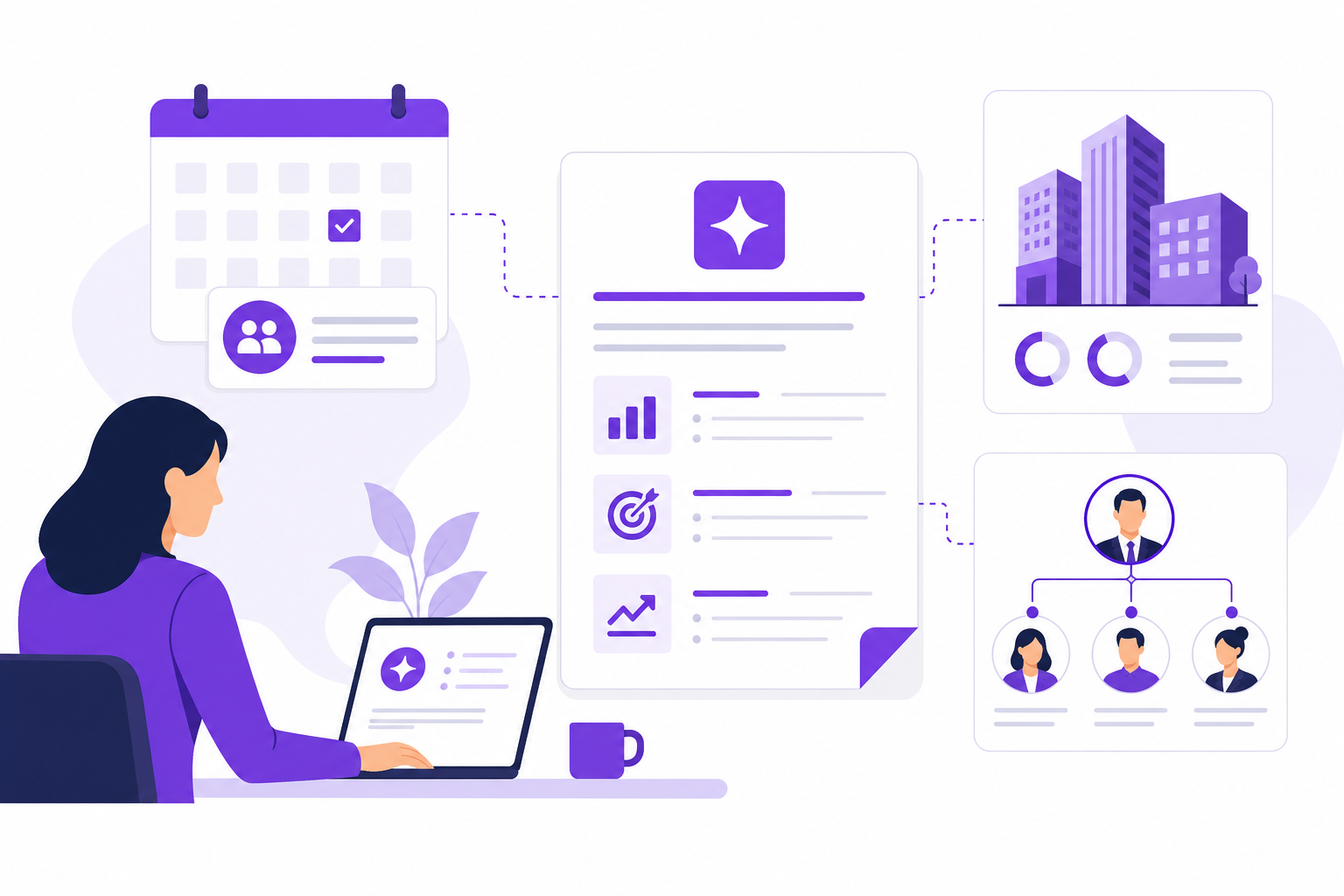
Meeting Research Brief: What to Include
- Company overview — business model, size, industry, key markets
- ICP fit summary — why this account is a strong match (score + reasons)
- Stakeholder map — who you are meeting, their role, likely priorities
- Trigger events — recent news, hiring, funding, tech changes
- Pain hypothesis — problems your solution likely addresses
- Competitive context — what they may use today
- Discovery questions — 5 tailored questions for this account
- Relevant case study — similar company you have helped
Research Time: Manual vs. AI
| Meeting Type | Manual Prep | AI Brief Review |
|---|---|---|
| Discovery call | 30–45 min | 10–15 min |
| Demo prep | 45–60 min | 15–20 min |
| Executive meeting | 60–90 min | 20–30 min |
Pre-Meeting Research Workflow
- Pull account from CRM—or confirm it came from tier-scored workflow output
- Review ICP score and expandable reasons
- Read Receptivity signals for timing context
- Research meeting attendee on LinkedIn (5 min)
- Draft 5 discovery questions based on fit reasons
- Select relevant case study or proof point
- Prepare 15-second meeting opener referencing specific account context
Strategy tip: Research Tier A meetings deeply
Not every meeting deserves 45 minutes of prep. Tier A accounts (ICP 80+) get full briefs. Tier B get score reason review + 3 questions. Protect prep time with tier prioritization.
How Adsaga.ai Powers Meeting Research
- Create configuration (
/workflow/config/create) — ICP ensures meetings are with fit accounts - Run workflow (
/workflow/workflows) — company and contact research at discovery - View tiered leads — ICP and Receptivity score reasons become meeting brief foundations
- Pre-meeting review — expandable reasons + firmographics = tailored discovery prep
Frequently Asked Questions
Why is research important before sales meetings?
Prepared reps ask better discovery questions, reference specific account context, and build credibility—raising meeting-to-opportunity conversion rates significantly.
How does AI automate meeting research?
AI workflow platforms research accounts at discovery—providing firmographics, ICP fit reasons, receptivity signals, and contact context that become meeting briefs.
How much prep time per meeting?
10–15 minutes for discovery calls on Tier A (review AI brief + attendee research). 5 minutes for Tier B. AI eliminates the 30-minute company research phase.
What questions should discovery meetings include?
Questions tied to ICP fit reasons: "I noticed [signal]—how is that affecting [role priority]?" Not generic "what keeps you up at night?"
How does Adsaga.ai support meeting prep?
Every tier-scored lead includes expandable ICP and Receptivity reasons—ready-made meeting briefs that reps extend with attendee-specific research.
Final Thoughts
AI sales research before meetings ensures reps never walk in cold. Start with tier-scored account intelligence, add attendee context, and run discovery that converts.
Try Adsaga.ai — meeting briefs start with scored prospect intelligence.