
B2B buyers do more research before talking to sales than ever before—and your team needs equal visibility into prospect companies, decision-makers, and buying signals. Sales intelligence tools provide the firmographic data, contact information, intent signals, and competitive context that turn cold outreach into informed conversations. Choosing the right platform in 2026 means understanding which capabilities actually improve win rates—not just which database is largest.
The sales intelligence market has expanded rapidly. Legacy contact databases, AI-powered prospecting platforms, intent data providers, and conversation intelligence tools all claim to help you sell smarter. This guide breaks down what sales intelligence tools do, which features matter most for B2B teams, how to evaluate vendors, and how to build a stack that supports both prospecting and deal execution.
Start with related guides: AI sales prospecting tools compared, best prospect database for B2B sales, and lead research automation.
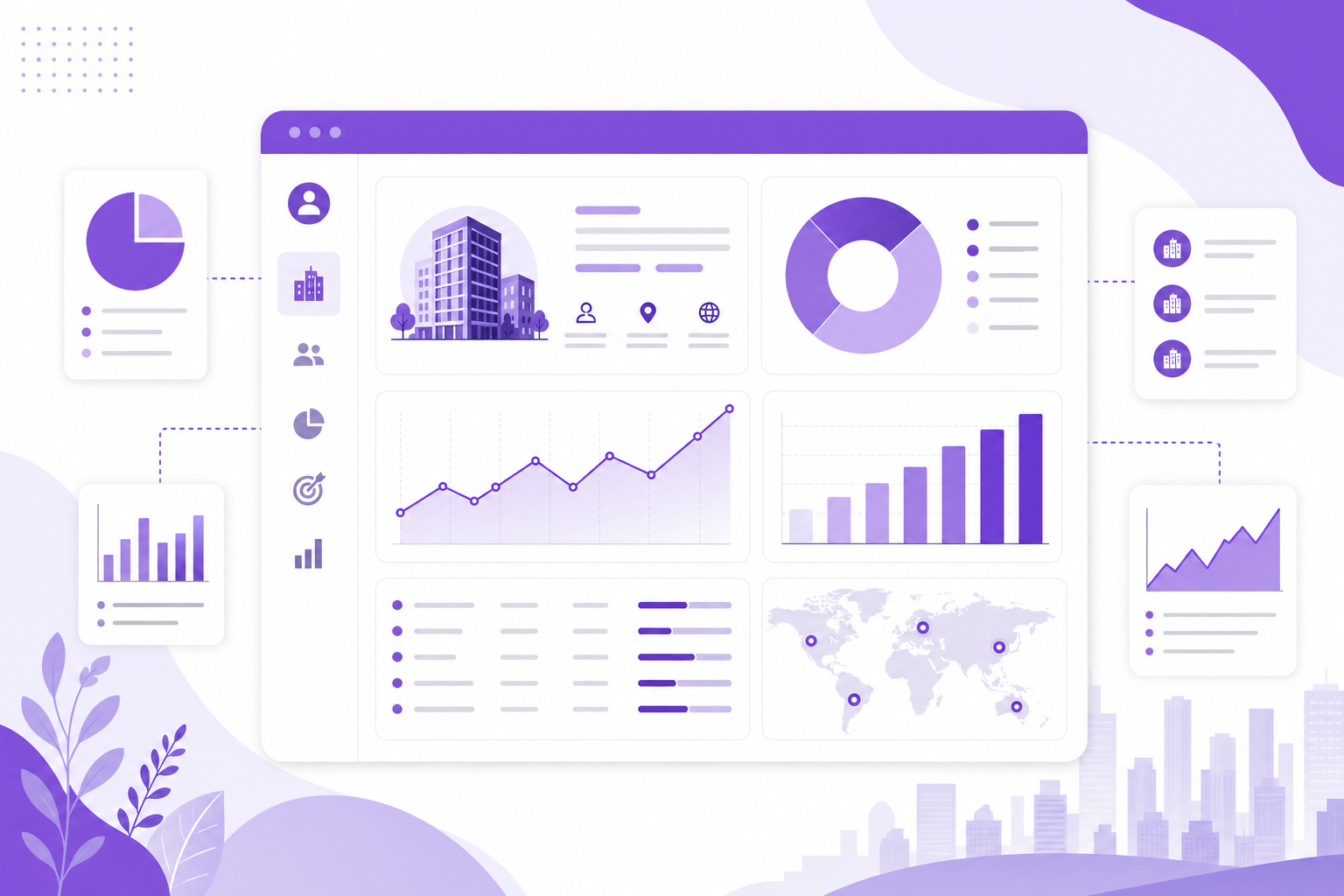
What Are Sales Intelligence Tools?
Sales intelligence tools collect, organize, and deliver business data that helps sales teams identify prospects, understand accounts, and prioritize outreach. Core data types include:
- Firmographics — company size, revenue, industry, location, employee count
- Contact data — names, titles, emails, phone numbers, LinkedIn profiles
- Technographics — software and technology stack used by target companies
- Intent signals — content consumption and research behavior indicating buying interest
- News and triggers — funding rounds, leadership changes, expansions, acquisitions
- Relationship data — org charts, reporting structures, stakeholder maps
Intelligence tools answer "who should we contact, what do we know about them, and why now?"—the three questions that separate effective outreach from spam.
Sales Intelligence vs Lead Generation Tools
These categories overlap but serve different primary purposes:
- Lead generation tools focus on building new prospect lists—discovering companies and contacts you have not engaged before
- Sales intelligence tools focus on enriching and contextualizing accounts—whether net-new prospects or existing pipeline opportunities
Many modern platforms combine both. AI prospecting platforms like Adsaga.ai discover new leads while providing firmographic and decision-maker intelligence. Traditional databases excel at enrichment but may lack proactive discovery. Evaluate based on whether your primary gap is finding new prospects or understanding accounts you already have.
Key Features to Look for in 2026
1. ICP-Based Filtering
Generic industry filters produce generic lists. The best tools let you define Ideal Customer Profile criteria—company size, revenue range, geography, industry sub-segment, and product relevance—and surface companies that match precisely.
2. Decision-Maker Discovery
Company data without contacts is incomplete intelligence. Platforms should identify role-specific decision-makers: VP Sales, Procurement Director, IT Manager, CFO, and other titles relevant to your sale. See how AI finds B2B decision-makers.
3. Data Freshness and Verification
Stale data destroys deliverability and credibility. Look for tools that verify emails, update contact roles regularly, and flag outdated records. Read how to verify B2B leads before outreach.
4. AI Lead Scoring
Manual prioritization does not scale. AI scoring ranks prospects by ICP fit, engagement signals, and conversion likelihood—so reps focus on highest-value opportunities first.
5. Intent Data Integration
Intent signals reveal which accounts are actively researching solutions in your category. Combining intent with firmographic fit produces timing-aware prospect lists.
6. CRM and Outreach Integration
Intelligence trapped in a standalone platform creates friction. One-click export to Salesforce, HubSpot, or your outreach sequencer keeps data flowing into daily workflows.
7. Global and Industry Coverage
Ensure the tool covers your target geographies and industries. A platform strong in US SaaS may be weak for European manufacturing or APAC distribution networks.
Categories of Sales Intelligence Tools
AI-Powered Prospecting Platforms
These use Artificial Intelligence to discover ICP-matched companies, find decision-makers, and build scored prospect lists. Best for teams that need net-new pipeline fast. Compare options in AI sales prospecting tools compared.
B2B Contact and Company Databases
Large repositories of firmographic and contact data for search, filter, and export. Useful for enrichment and broad research but often lack ICP-specific discovery. See best prospect database for B2B sales.
Intent Data Platforms
Track content consumption and research behavior across the web to identify accounts showing buying interest. Pair with contact data for timing-aware outreach.
Conversation and Engagement Intelligence
Record, transcribe, and analyze sales calls and emails to extract insights, coach reps, and identify winning talk tracks. More relevant for mid-funnel and closing than top-of-funnel prospecting.
News and Trigger Alert Tools
Monitor target accounts for funding, leadership changes, expansions, and competitive moves—providing timely reasons to reach out.
How to Evaluate Sales Intelligence Vendors
Score each platform on these criteria before purchasing:
| Criteria | What to Test | Why It Matters |
|---|---|---|
| ICP match quality | Run a sample search for your ideal buyer | Determines list relevance and reply rates |
| Contact accuracy | Verify 20–50 sample emails before buying | Bounced emails waste campaigns and damage sender reputation |
| Decision-maker depth | Check role coverage at target companies | Generic inboxes do not convert |
| Data freshness | Ask about update frequency and verification methods | Stale data produces stale pipeline |
| Integration | Test CRM export and API connectivity | Friction kills adoption |
| Pricing model | Per-seat, per-credit, or unlimited? | Must align with team size and usage volume |
Request a pilot or trial with your actual ICP—not a vendor-curated demo list. Real data on your market reveals true platform fit.
Building Your Sales Intelligence Stack
Most B2B teams combine two to four intelligence layers:
- Discovery — AI prospecting platform to build ICP-matched lists (lead research automation)
- Enrichment — contact database to fill gaps and validate firmographics
- Intent — signal platform to prioritize accounts showing active research
- Engagement — conversation intelligence for call coaching and deal insights
The discovery layer is foundational. Without qualified prospect lists, enrichment and intent tools have nothing meaningful to prioritize.
Sales Intelligence for Different Team Sizes
Solo Founders and Small Teams (1–5 reps)
Prioritize one AI prospecting platform that handles discovery, enrichment, and scoring in a single tool. Avoid stacking four subscriptions before proving pipeline impact.
Growing Sales Teams (5–20 reps)
Add intent data and CRM-integrated enrichment. Standardize ICP criteria and list-building workflows so every rep works from similarly qualified data.
Enterprise Sales Organizations (20+ reps)
Layer specialized tools: AI discovery for SDRs, account intelligence for AEs, conversation intelligence for managers, and RevOps-owned data governance across the stack.
Common Mistakes When Choosing Sales Intelligence Tools
- Buying the largest database instead of the most ICP-relevant platform
- Skipping contact verification before launching campaigns
- Evaluating tools without a defined Ideal Customer Profile
- Expecting one tool to solve discovery, intent, and conversation intelligence
- Ignoring integration requirements with existing CRM and outreach stack
- Measuring data volume instead of meeting conversion rates
- Choosing tools optimized for SaaS when you sell to manufacturing or industrial buyers
Avoid these by starting with your ICP and sales workflow, then selecting tools that fill specific gaps—not platforms that promise everything.
AI vs Traditional Sales Intelligence
The shift from static databases to AI-powered intelligence is reshaping B2B prospecting:
- Speed — AI discovers ICP-matched companies in minutes vs days of manual research
- Precision — ICP filtering produces relevant lists vs undifferentiated industry exports
- Freshness — continuous updates vs quarterly database refreshes
- Scalability — enter new markets without proportional research headcount
- Scoring — automated prioritization vs manual spreadsheet ranking
Traditional databases still matter for enrichment and broad firmographic research. AI platforms have become the primary discovery engine for forward-looking sales teams. Compare approaches in AI prospecting vs manual prospecting.
Integrating Intelligence into Your Sales Process
Tools deliver value only when embedded in daily workflows:
- Define ICP and load criteria into your intelligence platform
- Generate weekly prospect lists with automated discovery
- Verify contacts before assigning to reps or sequences
- Enrich account records in CRM with firmographic and contact data
- Layer intent signals to prioritize outreach timing
- Arm reps with account context before calls and meetings
- Review conversion metrics monthly and refine ICP filters
Connect intelligence workflows to your broader automation strategy in the B2B sales automation guide.
Industry Considerations
Sales intelligence needs vary by sector:
- SaaS and technology — technographic data and intent signals matter most
- Manufacturing and industrial — need industry-specific buyer types and global coverage
- Professional services — relationship mapping and executive access drive conversions
- Export and distribution — multi-country discovery and importer identification are critical
Choose platforms that understand your buyer landscape—not just generic B2B categories.
Frequently Asked Questions
What are sales intelligence tools?
Sales intelligence tools provide B2B data—company firmographics, contact information, intent signals, and buying triggers—that helps sales teams identify prospects, prioritize outreach, and prepare for informed conversations with decision-makers.
What is the difference between sales intelligence and lead generation?
Lead generation tools focus on discovering new prospects and building contact lists. Sales intelligence tools enrich and contextualize accounts with data that improves targeting, timing, and conversation quality. Many modern platforms combine both capabilities.
What features matter most in sales intelligence tools for 2026?
Prioritize ICP-based filtering, verified decision-maker contacts, data freshness, AI lead scoring, CRM integration, and coverage for your target industries and geographies. Contact accuracy matters more than database size.
How much do sales intelligence tools cost?
Pricing ranges from $50–$200 per user per month for contact databases to custom enterprise pricing for intent and conversation intelligence platforms. AI prospecting tools often use per-seat or credit-based models. Evaluate cost per qualified lead, not per contact exported.
Can small sales teams benefit from sales intelligence tools?
Yes. Small teams often benefit most because a single AI prospecting platform can replace hours of manual research per rep. Start with one discovery-focused tool, prove pipeline impact, then add enrichment or intent layers as you scale.
How Adsaga.ai Delivers Sales Intelligence
Adsaga.ai combines AI-powered prospect discovery with the firmographic and decision-maker intelligence B2B sales teams need to prospect with confidence.
With Adsaga.ai, teams get:
- ICP-matched company discovery across industries and geographies
- Verified decision-maker contacts for procurement, operations, and executive roles
- AI lead scoring to prioritize highest-fit prospects
- Fresh, continuously updated business data—not static purchased lists
- Export-ready lists for CRM and outreach platforms
- Coverage for manufacturing, SaaS, professional services, export, and more
Use Adsaga.ai as the intelligence foundation of your prospecting stack. Try Adsaga.ai and evaluate ICP match quality on your actual target market.
Final Thoughts
The best sales intelligence tools in 2026 are not defined by database size—they are defined by ICP relevance, contact accuracy, and workflow integration. Teams that invest in intelligent discovery and verification build pipelines that convert. Teams that buy the biggest list and skip verification burn budget on bounced emails and ignored outreach.
Define your ICP, test platforms against real prospects in your market, verify contacts before campaigns, and measure meetings booked. Intelligence is only valuable when it reaches the right rep at the right time with data they can act on immediately.
Evaluating sales intelligence tools for your team? Get started with Adsaga.ai or explore more B2B sales resources on the Adsaga blog.